How to read the Bible in context
Five layers of context, in the order that actually helps — and worked examples on the verses most often quoted alone.
Almost every serious misreading of the Bible comes from the same move: taking one sentence out of the paragraph it lives in. Chapter and verse numbers were added centuries after the texts were written, and they quietly train us to read Scripture as a list of separate sayings. Reading in context is not a scholarly luxury; it is simply reading the way the writers wrote.
What's the season you're in?
Next step
Context is easier with other people. Find a free group reading a book of the Bible together.
Join a Bible study groupLayer 1 — the paragraph
Read the ten verses before and the ten after. Ask what the writer is arguing, describing, or praying about across the whole stretch. If your reading of the verse does not fit the paragraph, the paragraph wins.
Layer 2 — the book
Every book has a purpose. Skim the opening chapter and the closing one and ask: who wrote this, to whom, and why? Philippians is a thank-you letter from prison. Ecclesiastes is a philosophical interrogation. Revelation is a letter to seven pressured churches in the form of apocalyptic vision. Those purposes change how sentences land.
Layer 3 — the genre
- Narrative describes what happened. It is not automatically a command to imitate it.
- Law was given to a specific covenant community; its principles carry differently than its case rulings.
- Poetry uses image and exaggeration. 'The mountains skipped like rams' is not geology.
- Proverbs state general truths, not guarantees. Proverbs 22:6 is wisdom, not a contract.
- Prophecy addresses a real historical crisis first, whatever else it also anticipates.
- Letters answer questions we usually cannot see, which is why the surrounding argument matters so much.
Layer 4 — the original audience
Ask what the first hearers would have understood. Slaves, exiles, refugees, farmers, and persecuted minorities are the original readers of much of Scripture. Matthew 6's teaching about food and clothing is spoken to people close to subsistence; hearing it that way makes it sharper, not less relevant.
Layer 5 — the whole story
Finally, place the passage in the arc from creation to exile to Jesus to the church. A promise made to Israel under the covenant, a command given to one church in Corinth, and a statement about all humanity are three different kinds of sentence, and mixing them up creates most of the confusion people feel.
Worked example: Jeremiah 29:11
The verse promises 'plans for welfare and not for calamity'. Verses 4 to 10 address Judeans deported to Babylon and tell them to build houses, plant gardens, and seek the good of the city — because they will be there seventy years. The promise is corporate, long-range, and given in the middle of a catastrophe. Read in context it says God is committed to a people across generations, even when the immediate future is exile.
Worked example: Philippians 4:13
'I can do all things through him who strengthens me' sits at the end of a paragraph about contentment: Paul has learned to live with plenty and with hunger. The 'all things' is the full range of circumstances, not a guarantee of performance. That reading is more useful on a bad day than the poster version.
A ten-minute routine
- Read the whole chapter once, quickly.
- Write in one sentence what the chapter is doing.
- Name the genre out loud.
- Reread your verse and ask whether your reading fits step two.
- Check one cross-reference to see how the idea is used elsewhere.
- Write one application that would still make sense to the original readers.
Frequently asked questions
- What does it mean to read the Bible in context?
- It means reading a verse as part of the paragraph, book, and situation it belongs to, rather than on its own. Context includes the surrounding sentences, the purpose of the book, the genre, the original audience, and where the passage sits in the wider biblical story.
- Why do people take Bible verses out of context?
- Usually because a single sentence is memorable and fits something we already want to say. Verse numbers, which were added in the sixteenth century, make it easy to forget that the writers wrote paragraphs and letters, not lists of separate sayings.
- What is an example of a verse commonly read out of context?
- Jeremiah 29:11 — 'plans to prosper you' — is a promise to exiled Judah about the end of a seventy-year deportation, which is more comforting than the individual success reading, not less. Philippians 4:13 is likewise about contentment in plenty and in need, not about achievement.
- How long does reading in context take?
- About ten extra minutes. Read the paragraph before and after, skim the first chapter of the book for its purpose, and note the genre. That covers most of the benefit.
- Do I need commentaries to read the Bible in context?
- No, though a study Bible or a free online commentary helps with historical background. The largest gains come from reading whole paragraphs and whole books rather than isolated verses.
Find people near you
Reading is better with company. These finders are free and take about a minute.
Readers who loved this also grabbed

Farm & Posh Personalized NIV Bible — Crown of Thorns
Beautiful custom engraving on the cover — perfect for a baptism, confirmation, or a gift you'll actually keep. NIV translation, cross-references, words of Christ in red.
Affiliate — we may earn from qualifying purchases at no cost to you.
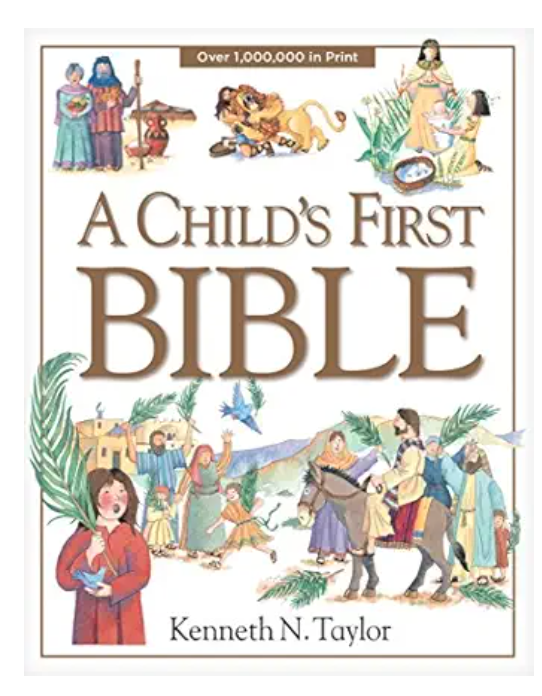
A Child's First Bible — Kenneth N. Taylor
Over one million copies sold and an ECPA Platinum Award winner. 125 full-color stories from Creation to Revelation, each ending with a simple question — and small enough to take to church.
Affiliate — we may earn from qualifying purchases at no cost to you.
Context is easier with other people. Find a free group reading a book of the Bible together.
Join a Bible study groupBrowse all guides, free tools, or search the whole site.