Bible study methods
Seven methods explained in plain language — SOAP, inductive OIA, verse mapping, word study, book study, character study, and topical study — with when each one is the right tool.
There is no single correct way to study the Bible, but there are wrong tools for the job. A ten-minute morning method is not what you want for a twelve-week group study, and a word study will not carry a daily habit. Here are the seven methods worth knowing and the situation each one fits.
What's the season you're in?
Next step
Search local churches hosting studies, join an open online group, or start your own.
Find a Bible study near you1. SOAP — the daily ten-minute method
- Scripture — copy out one verse from today's reading by hand.
- Observation — write two or three things you notice about it.
- Application — write one specific action, attitude, or prayer for this week.
- Prayer — pray the verse back in your own words.
- Best for: building a daily habit that survives a busy season.
2. Inductive (OIA) — the group standard
- Observation — what does the passage actually say? Repeated words, contrasts, commands.
- Interpretation — what did it mean to the people who first received it?
- Application — what does it ask of us now?
- Every good discussion question fits one of these three stages.
- Best for: small groups and any passage you want to understand thoroughly.
3. Verse mapping — one verse, five angles
- Read the verse in three translations and note what changes.
- Look up two or three key words in Hebrew or Greek.
- Read the surrounding paragraph for context.
- Follow the cross-references.
- Best for: a well-known verse you have stopped actually hearing.
4. Word study — follow a single term
- Pick one word: grace, hesed, shalom, righteousness, fear, glory.
- Trace it through a concordance across both testaments.
- Note how the meaning shifts between authors and contexts.
- Write a one-paragraph definition in your own words.
- Best for: theological terms you use often and understand vaguely.
5. Book study — read a whole letter as a letter
- Read the entire book in one sitting before studying any part of it.
- Note who wrote it, to whom, and what problem prompted it.
- Outline it in five to ten lines.
- Then work through it section by section over several weeks.
- Best for: Philippians, James, 1 John, Ruth, Jonah — anything short.
6. Character study — one life at a time
- List every passage the person appears in.
- Track what they do, what God says to them, and how they change.
- Name their turning point and their failure.
- Ask what their story reveals about God's patience.
- Best for: Peter, David, Ruth, Esther, Joseph, Mary Magdalene, Samson.
7. Topical study — the honest version
- Choose a topic: anxiety, forgiveness, money, marriage, grief.
- Collect the passages — including the ones that complicate the tidy answer.
- Read each one in its own context before pulling a conclusion.
- Write what Scripture as a whole says, not what you hoped it said.
- Best for: a specific question you are carrying right now.
Choosing a method this week
If you are starting from zero, use SOAP daily and inductive OIA in a group. If you already have a habit and it has gone flat, switch to a book study or a character study for six weeks. And if you'd rather not do it alone, find a group near you and let the method be someone else's problem for a while.
Find people near you
Reading is better with company. These finders are free and take about a minute.
Readers who loved this also grabbed
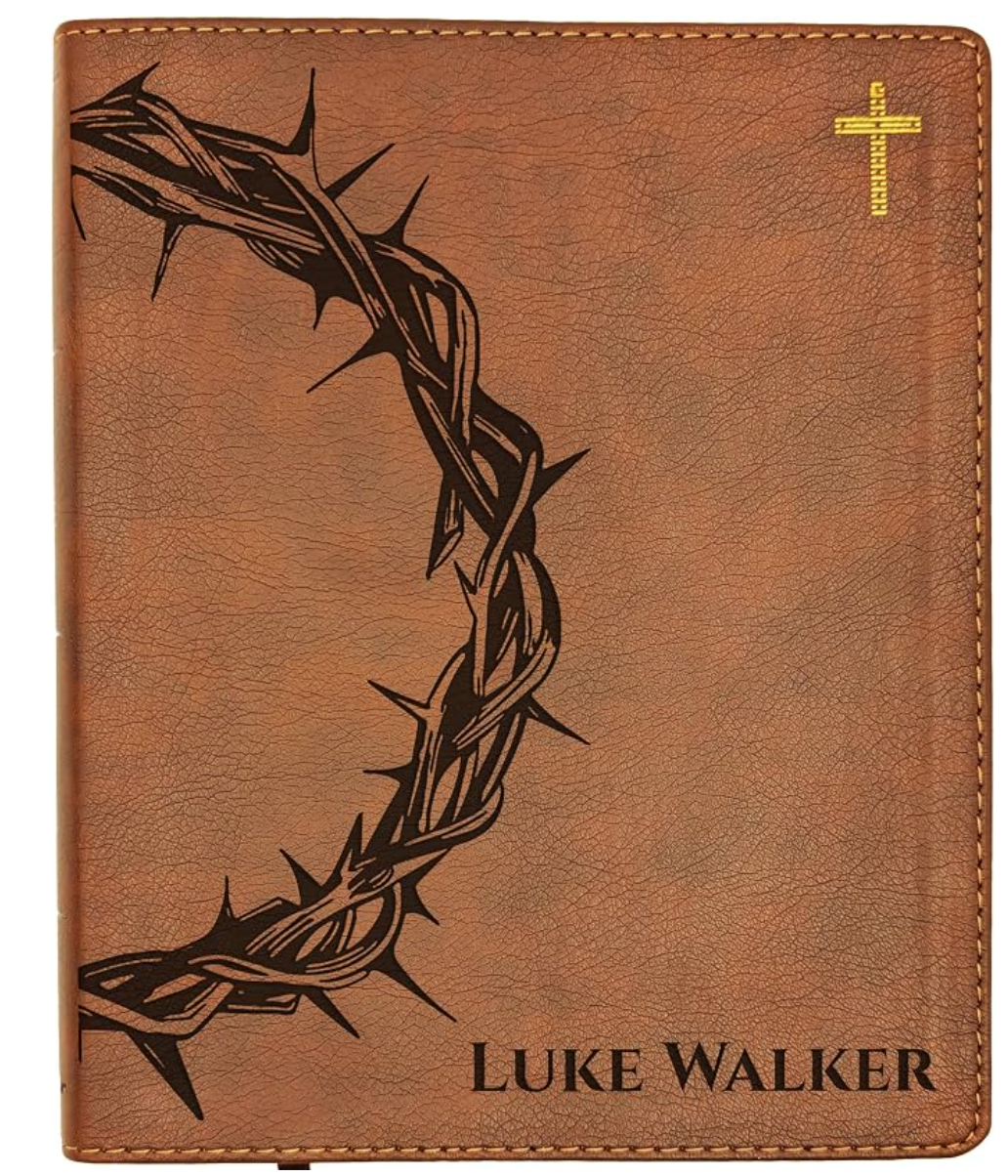
Farm & Posh Personalized NIV Bible — Crown of Thorns
Beautiful custom engraving on the cover — perfect for a baptism, confirmation, or a gift you'll actually keep. NIV translation, cross-references, words of Christ in red.
Affiliate — we may earn from qualifying purchases at no cost to you.
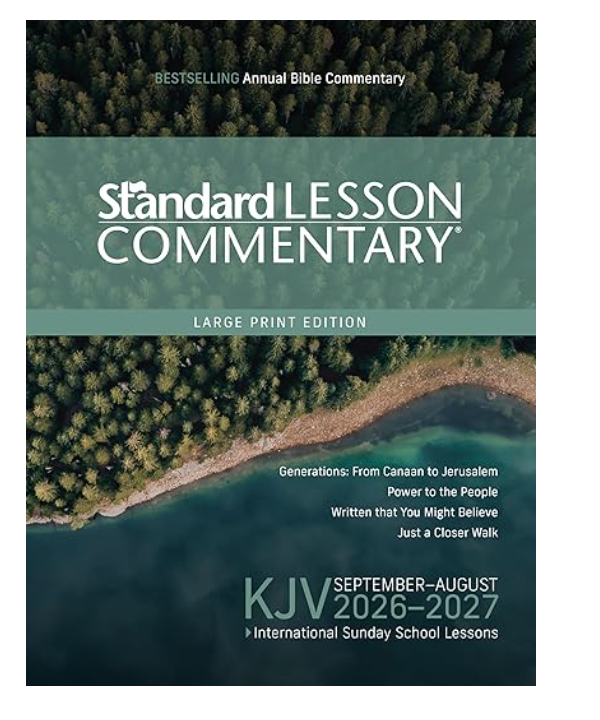
KJV Standard Lesson Commentary® 2026–2027 (Large Print)
The world's most popular annual Bible commentary, trusted for 60+ years. Printed KJV text, verse-by-verse notes, historical context, discussion questions, and group activities — 14pt large print.
Affiliate — we may earn from qualifying purchases at no cost to you.
Search local churches hosting studies, join an open online group, or start your own.
Find a Bible study near youBrowse all guides, free tools, or search the whole site.