Psalm 23, explained
The Lord is my shepherd — what it meant then, and what it means for you today.
Psalm 23 is the most-quoted chapter in the Bible because it answers the question we keep coming back to: who is taking care of me? David, a former shepherd, writes about God the way a sheep would describe a good shepherd — not poetically distant, but personally responsible for food, water, safety, direction, and welcome.
What's the season you're in?
Verse 1 — 'The Lord is my shepherd; I shall not want.'
The claim is ownership and provision. 'My' is personal. 'Shall not want' doesn't mean you'll never feel desire — it means you will never be abandoned to lack what you truly need.
Verses 2–3 — Green pastures and still waters
Sheep won't lie down if they're hungry, anxious, or harassed by pests. The shepherd removes all four threats. God restores your soul the same way: by leading, not driving.
Verse 4 — The darkest valley
'Valley of the shadow of death' is a real ravine shepherds had to pass through. Notice the pronoun shift: in trouble, David stops talking about God and starts talking to him. 'You are with me.' That's the whole comfort.
Verse 5 — A table in the presence of enemies
A picture of feasting while danger is visible but powerless. Anointing oil meant honor and healing. The cup overflows — abundance, not survival.
Verse 6 — Goodness and mercy follow
The Hebrew word for 'follow' means 'pursue.' Goodness and mercy chase you down. The destination is not just safety — it's home with God forever.
How to pray Psalm 23 today
- Read it slowly, twice — once aloud.
- Underline 'my' and 'you' — make it personal.
- Pick one line that hits hardest and pray it back to God.
- Carry that line into your day.
Find people near you
Reading is better with company. These finders are free and take about a minute.
Readers who loved this also grabbed
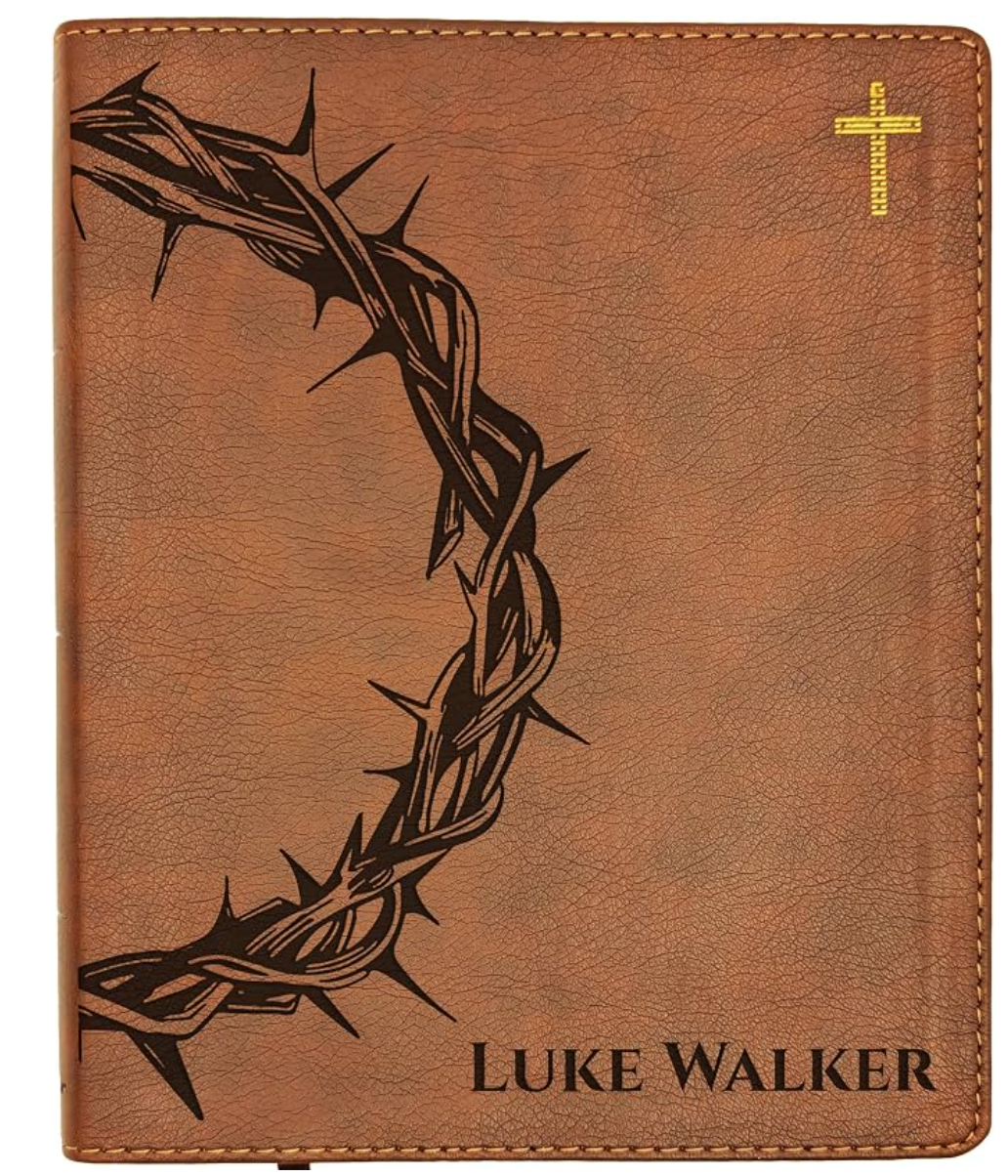
Farm & Posh Personalized NIV Bible — Crown of Thorns
Beautiful custom engraving on the cover — perfect for a baptism, confirmation, or a gift you'll actually keep. NIV translation, cross-references, words of Christ in red.
Affiliate — we may earn from qualifying purchases at no cost to you.
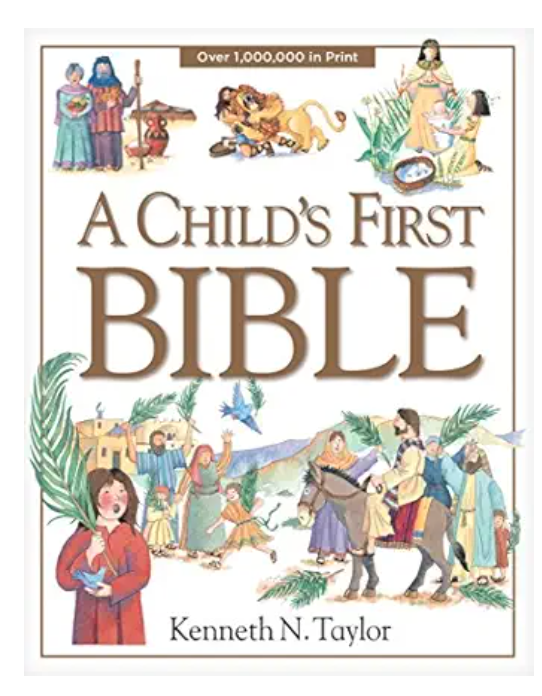
A Child's First Bible — Kenneth N. Taylor
Over one million copies sold and an ECPA Platinum Award winner. 125 full-color stories from Creation to Revelation, each ending with a simple question — and small enough to take to church.
Affiliate — we may earn from qualifying purchases at no cost to you.
Pray a short Psalm-shaped devotional every morning.
Start a free daily devotionalBrowse all guides, free tools, or search the whole site.