Psalm 91, explained
A psalm of protection — what it promises, and what it doesn't.
Psalm 91 is one of the most-prayed psalms in times of danger — illness, war, travel, fear at night. It uses four protective images that build on each other.
What's the season you're in?
Verse 1 — Shelter and shadow
'Dwells in the shelter of the Most High' is not visiting — it's living there. The protection is for those whose lives are habitually with God, not magic words.
Verses 2–4 — Refuge, fortress, wings
Three images of safety: refuge (a place you run to), fortress (a place that can hold), and wings (the gentleness of a mother bird covering her young). Strength and tenderness together.
Verses 5–8 — No fear, day or night
Terror of the night, arrow by day, plague that stalks in darkness. Real threats. The psalm doesn't deny them; it names them and then names the One who is bigger.
Verses 9–13 — Angels for the road
Quoted by the devil at Jesus' temptation, which means we should read it carefully. The promise is for those who 'make the Lord their dwelling,' not those who test God by jumping off buildings.
Verses 14–16 — God speaks
The psalm shifts to God's own voice: 'Because he loves me… I will rescue him… I will be with him in trouble.' Notice: 'with him in trouble,' not 'out of trouble.'
How to pray Psalm 91
- Read it slowly over your home, family, or trip.
- Personalize verse 2 — say it in your own name.
- Where you sense fear, pray the image that fits (shelter, wings, fortress).
Find people near you
Reading is better with company. These finders are free and take about a minute.
Readers who loved this also grabbed
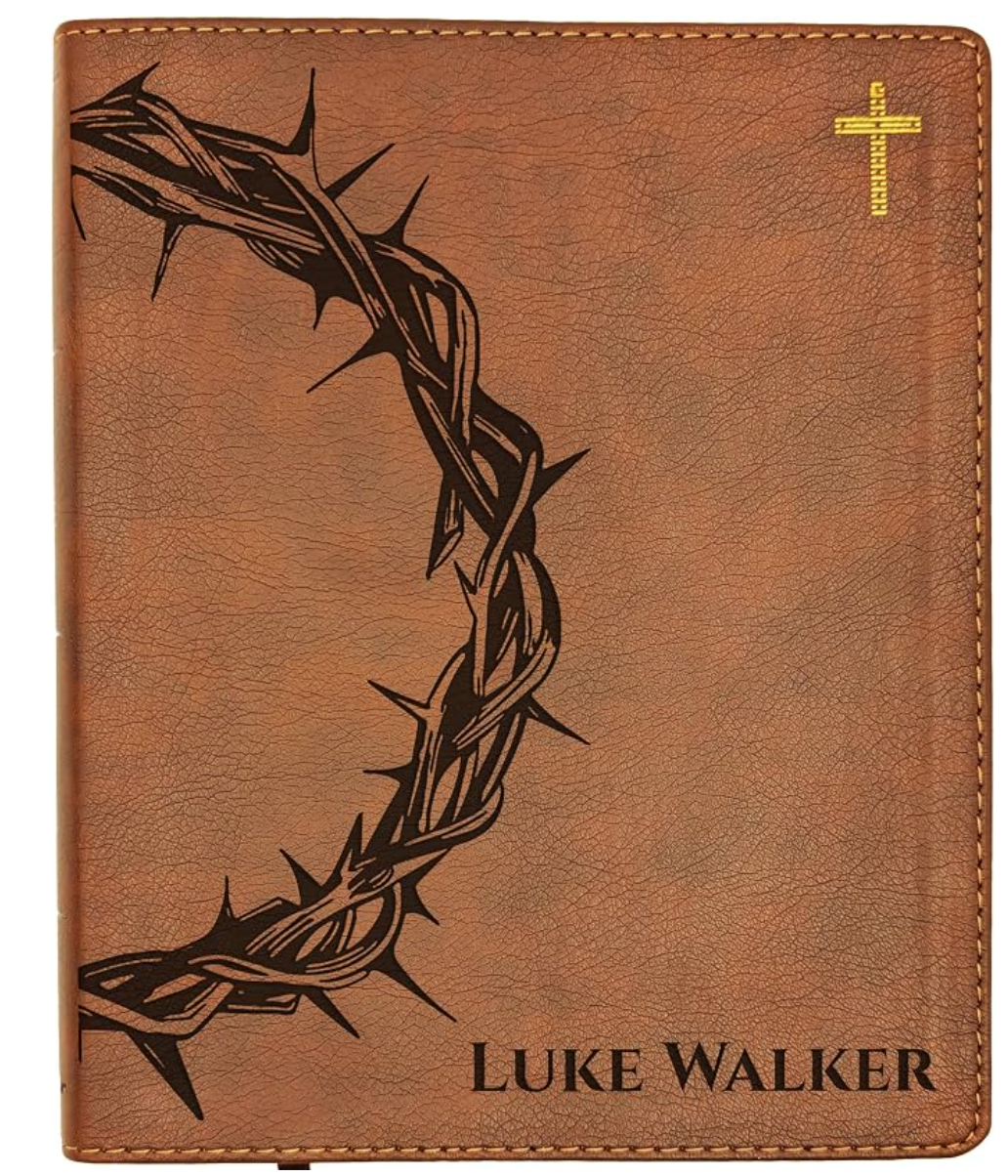
Farm & Posh Personalized NIV Bible — Crown of Thorns
Beautiful custom engraving on the cover — perfect for a baptism, confirmation, or a gift you'll actually keep. NIV translation, cross-references, words of Christ in red.
Affiliate — we may earn from qualifying purchases at no cost to you.
The Book of Job (Film)
One of the most raw stories in Scripture, brought to the screen. If you're wrestling with 'why do the faithful suffer?', this is worth an evening.
Affiliate — we may earn from qualifying purchases at no cost to you.
Pray Psalm 91 over the specific people and places on your heart.
Open a free prayer journalBrowse all guides, free tools, or search the whole site.