Jeremiah 29:11, explained
'I know the plans I have for you' — the most-memorized promise in the Bible, read in its real context.
Jeremiah 29:11 is everywhere — graduation cards, office art, Instagram captions. It is beautiful. But most people have never read the letter it comes from. Jeremiah wrote this to a people who had just lost their country, their temple, and their future. The promise is stronger when you know what they were facing.
What's the season you're in?
Next step
Build a morning rhythm that waits on God's timing — one short reading at a time.
Start a free daily devotionalThe context: a letter to the defeated
In 597 BC, Babylon invaded Judah and carried off the educated elite — craftsmen, priests, officials, and the young king. They were not on a fun adventure. They were hostages in a foreign empire. Into that devastation, Jeremiah sends a letter with instructions to settle down, build houses, marry, and pray for Babylon — because the exile will last 70 years. Then he writes verse 11.
'For I know the plans I have for you' — ownership
God doesn't say 'I will make plans.' He says 'I know the plans.' They are already decided. This is not a vague hope — it is settled intention. The Hebrew implies intimate knowledge and deliberate design, the way an architect knows every beam of a house before it is built.
'Plans to prosper you' — shalom, not wealth
The Hebrew word is shalom — peace, wholeness, welfare, completeness. It is not a promise of bigger paychecks. It is a promise that God intends to restore what was broken: community, land, worship, identity. The prosperity is comprehensive, not financial.
'Not to harm you' — reversal of fear
The exiles assumed God had abandoned them. Jeremiah says the opposite: the exile is discipline, not divorce. God is still working, still planning, still committed. The harm they feared — total erasure — is not the end of the story.
'Plans to give you hope and a future' — the long view
Hope in the Bible is not optimism. It is confident expectation based on God's promise. The 'future' (Hebrew acharit) means the latter end — the outcome after the long wait. God is saying: this is not the final chapter. There is a return, a restoration, and a future worth waiting for.
What it does not mean
- It is not a promise that every plan you make will succeed.
- It is not a guarantee that hard things won't happen.
- It is not about individual career success — the original audience was a nation in crisis.
How to apply Jeremiah 29:11 today
- When you are in a season that feels like exile — trust that God is still planning.
- Don't demand instant rescue. The 70-year timeline reminds us that God's timetable is longer than ours.
- Pray for the 'Babylon' you are in — the job, the city, the difficulty. God told them to seek its welfare.
- Write the verse on something you see daily, but pair it with the patience the exiles needed.
Find people near you
Reading is better with company. These finders are free and take about a minute.
Readers who loved this also grabbed

Farm & Posh Personalized NIV Bible — Crown of Thorns
Beautiful custom engraving on the cover — perfect for a baptism, confirmation, or a gift you'll actually keep. NIV translation, cross-references, words of Christ in red.
Affiliate — we may earn from qualifying purchases at no cost to you.
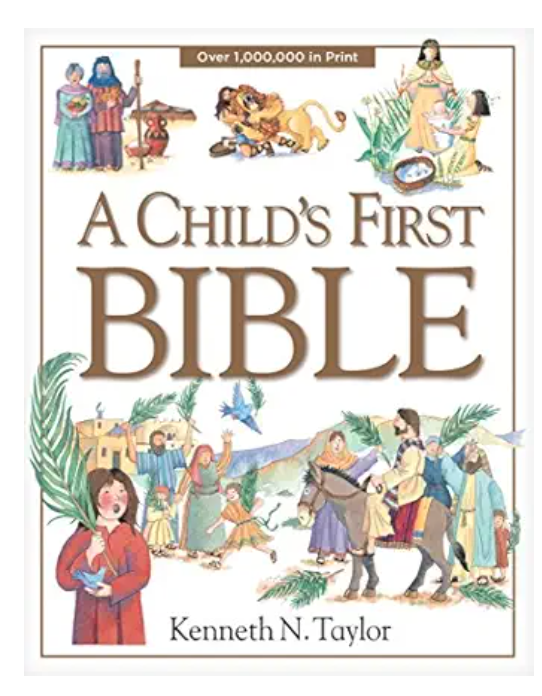
A Child's First Bible — Kenneth N. Taylor
Over one million copies sold and an ECPA Platinum Award winner. 125 full-color stories from Creation to Revelation, each ending with a simple question — and small enough to take to church.
Affiliate — we may earn from qualifying purchases at no cost to you.
Build a morning rhythm that waits on God's timing — one short reading at a time.
Start a free daily devotionalBrowse all guides, free tools, or search the whole site.