How to Read the Bible in a Year
A 365-day plan that actually works — with 3 tracks, a day-by-day schedule, and a rhythm you can sustain.
Reading the Bible in a year is one of the most rewarding commitments a believer can make — and one of the most abandoned. The problem is rarely desire; it is an unrealistic plan. Most year-long schedules load 5–6 chapters on some days and expect you to catch up on weekends. This guide gives you three balanced tracks, a sensible daily load, and a simple 'what to do when you miss a day' rule.
What's the season you're in?
Next step
Pick a track, pick a start date, and get a personalized day-by-day Bible reading schedule.
Generate your 365-day planHow the 365-day plan works
- The Bible has 1,189 chapters. At 3–4 chapters a day, you finish in 365 days.
- Each daily reading takes 12–15 minutes at a relaxed pace.
- We group chapters into thematic weeks so you feel momentum — not random hopping.
- Every seventh day is lighter: a Psalm, a Proverb, and reflection.
Track 1: Beginner — New Testament First
- Months 1–3: Matthew through Acts (the life, death, resurrection, and early church).
- Months 4–6: Romans through Revelation (letters and prophecy).
- Months 7–9: Genesis through Esther (the story of Israel).
- Months 10–12: Job through Malachi (poetry, wisdom, and the prophets).
- Why it works: You meet Jesus first. When you later read the Old Testament, every promise lights up with meaning.
Track 2: Straight Through — Genesis to Revelation
- January–February: Genesis, Exodus, Leviticus, Numbers, Deuteronomy (the Law).
- March–April: Joshua, Judges, Ruth, 1–2 Samuel, 1–2 Kings, 1–2 Chronicles (the history).
- May–June: Ezra, Nehemiah, Esther, Job, Psalms, Proverbs (return and wisdom).
- July–August: Ecclesiastes, Song of Solomon, Isaiah, Jeremiah, Lamentations (poetry and major prophets).
- September–October: Ezekiel, Daniel, Hosea through Malachi, Matthew, Mark (minor prophets and Gospels).
- November–December: Luke, John, Acts, Romans through Revelation (Gospels, Acts, and Epistles).
- Why it works: It is the simplest structure. You feel the story build from creation to consummation.
Track 3: Chronological — In Historical Order
- This plan reorders the Bible so events are read as they happened, not as they appear in canon.
- Example: Job is read early (likely patriarchal era), Psalms are woven into David's life, and the prophets are placed next to the kings they addressed.
- You will jump between books, but the narrative thread is clearer.
- Best for: Readers who have done a straight-through plan and want to see the timeline connect.
The day-by-day rhythm
- Morning (10 minutes): Read the day's chapters aloud if possible. Hearing the text engages a different part of your brain.
- Underline or note one verse that stands out. Don't study — just notice.
- Evening (5 minutes): Return to the verse you marked. Ask: What is God saying? What am I going to do about it?
- Sunday: Lighter reading + journaling. Review the week and preview the next.
What to do when you miss a day
The #1 reason people quit a year-long plan is the guilt of falling behind. Here is the rule: skip the missed days and jump to today's reading. Do not double up. Do not restart. The Bible is not a textbook you have to read in order — it is a conversation you pick up each morning. If you miss a week, you have not failed; you have simply paused. Start where the calendar is and keep going.
Reading tips that actually help
- Use the same translation all year — consistency builds familiarity. NIV, ESV, CSB, and NLT are all excellent for reading plans.
- Read aloud when you can. It slows you down and improves comprehension.
- Don't stop to look up every word. Let the story carry you; study comes later.
- Find one other person doing the plan. Text each other a highlight from the day's reading. Accountability is the difference between starting and finishing.
- Use a digital Bible app with streak tracking if gamification helps you — but don't let a broken streak become a reason to quit.
How Faith Common helps you finish
- Our free Bible reading plan generator lets you pick your track, start date, and reading length — then generates a personalized day-by-day schedule.
- The daily devotional connects each day's theme to a fresh reflection and prayer.
- The prayer journal gives you a place to write what you're noticing — so the reading becomes formation, not just information.
Find people near you
Reading is better with company. These finders are free and take about a minute.
Readers who loved this also grabbed
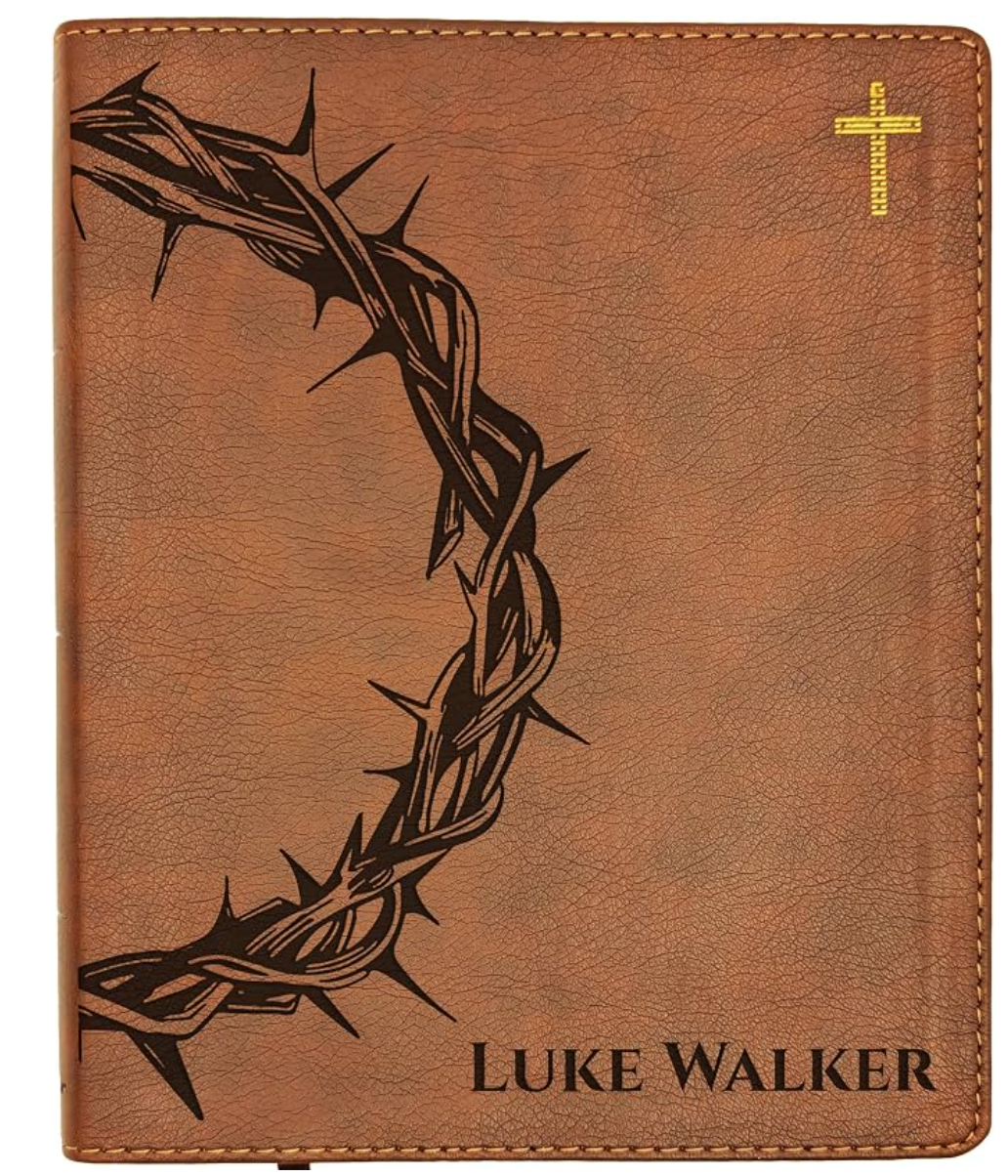
Farm & Posh Personalized NIV Bible — Crown of Thorns
Beautiful custom engraving on the cover — perfect for a baptism, confirmation, or a gift you'll actually keep. NIV translation, cross-references, words of Christ in red.
Affiliate — we may earn from qualifying purchases at no cost to you.
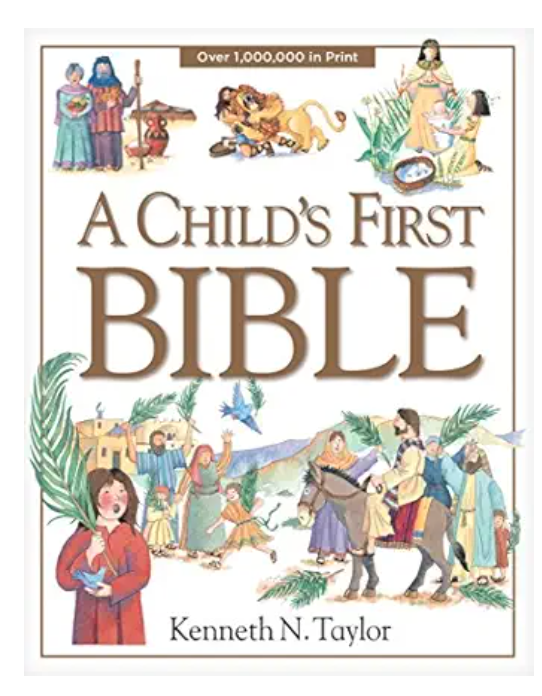
A Child's First Bible — Kenneth N. Taylor
Over one million copies sold and an ECPA Platinum Award winner. 125 full-color stories from Creation to Revelation, each ending with a simple question — and small enough to take to church.
Affiliate — we may earn from qualifying purchases at no cost to you.
Pick a track, pick a start date, and get a personalized day-by-day Bible reading schedule.
Generate your 365-day planBrowse all guides, free tools, or search the whole site.