The Proverbs 31 Woman, explained
Proverbs 31:10–31 — the 'eshet chayil' (woman of valor), verse by verse.
Proverbs 31:10–31 is one of the most quoted — and most misread — passages in the Bible. Read as a checklist, it crushes. Read as it was written — a 22-verse Hebrew acrostic celebrating wisdom personified in everyday life — it sings. In many Jewish homes it is sung to the women at the Friday-night Shabbat table as a blessing, not a performance review.
What's the season you're in?
The setup: a mother teaches her son (vv. 1–9)
Before the famous poem, King Lemuel records words 'his mother taught him' (v. 1): don't waste your strength on women who destroy kings, don't drown sorrow in wine, and 'open your mouth for the mute, for the rights of all who are destitute' (vv. 8–9). The Proverbs 31 woman appears in this context: this is what a wise mother tells her son to look for, and what wisdom looks like lived out.
An acrostic in praise of wisdom (vv. 10–31)
Each verse begins with a successive letter of the Hebrew aleph-bet — aleph through tav — a literary form used elsewhere for praise (e.g. Psalm 119). The acrostic frame signals: this is a hymn, not a job description. Hebrew acrostics often celebrate something the writer believes covers 'everything from A to Z.'
Verses 10–12 — Trust
'An eshet chayil who can find?' Her worth is 'far above jewels.' Her husband 'trusts in her' — a relationship of reliability, not surveillance. She does him good 'all the days of her life,' not just on the good days.
Verses 13–19 — Work
She sources wool and flax, brings food 'from afar' like a merchant ship, rises before dawn to feed her household, evaluates a field and buys it, plants a vineyard from her own earnings, and works with strong arms. This is not a fragile ornament; this is a working woman with capital, judgment, and stamina.
Verses 20–22 — Generosity and dignity
She 'opens her hand to the poor and reaches out her hands to the needy' (v. 20). Her household is not afraid of winter because she has prepared. She makes coverings for herself and her family — beauty and dignity are part of the picture, not opposed to it.
Verses 23–27 — Influence
Her husband is respected at the city gates (where business and justice happened). She makes linen garments and sells them; she 'laughs at the time to come' because she has prepared wisely. 'She opens her mouth with wisdom, and the teaching of kindness is on her tongue' — her speech is the visible fruit of her inner life.
Verses 28–31 — The summary
'Her children rise up and call her blessed; her husband also, and he praises her.' The climax is verse 30: 'Charm is deceitful and beauty is vain, but a woman who fears the LORD is to be praised.' Everything before this verse is the evidence; this verse is the thesis.
Reading it well today
- It is a hymn, not a homework assignment. Don't measure your week against verse 18.
- It celebrates wisdom in ordinary life: work, money, speech, generosity, and reverence.
- Both women and men are invited to embody these traits.
- In Jewish practice, husbands sing it to their wives on Shabbat — a weekly blessing, not pressure.
- Verse 30 is the lens for every other verse: 'the fear of the LORD' is what makes the rest sustainable.
Find people near you
Reading is better with company. These finders are free and take about a minute.
Readers who loved this also grabbed

Farm & Posh Personalized NIV Bible — Crown of Thorns
Beautiful custom engraving on the cover — perfect for a baptism, confirmation, or a gift you'll actually keep. NIV translation, cross-references, words of Christ in red.
Affiliate — we may earn from qualifying purchases at no cost to you.
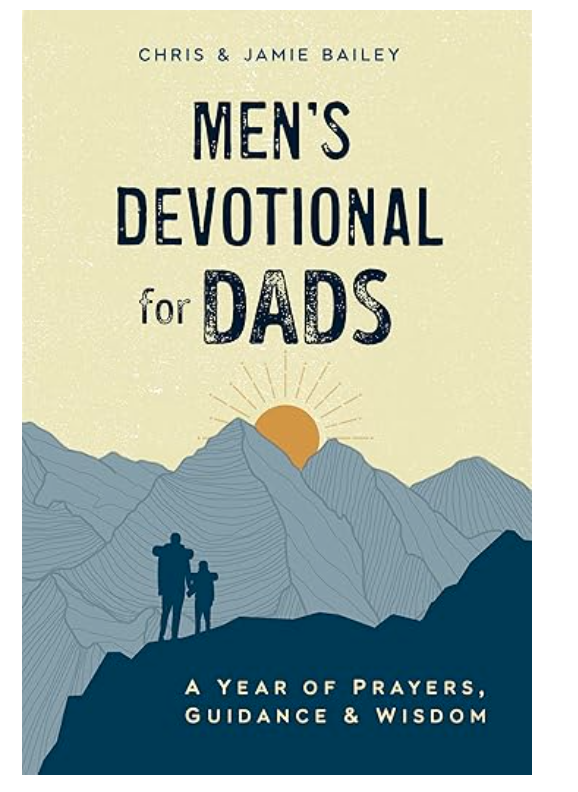
Men's Devotional for Dads — A Year of Prayers, Guidance & Wisdom
Written by two Christian counselors married 28+ years. 52 weeks of prayers, real dad stories, and affirmations built around Scripture. 4.8★ on Amazon (1,000+ reviews).
Affiliate — we may earn from qualifying purchases at no cost to you.
Read one chapter of Proverbs a day for 31 days.
Start a Proverbs reading planBrowse all guides, free tools, or search the whole site.